Fresh Ginger vs. Ground Ginger: When to Use Which
Every cook has faced the moment: the recipe calls for a tablespoon of freshly grated ginger, and the fridge holds nothing but a jar of ground ginger in the spice rack. Can you swap them? Sometimes — but not always, and not in equal amounts. Fresh and dried ginger are related but genuinely different ingredients, with different chemistry, different heat and different jobs in the kitchen.
Understanding the difference saves dishes. Here is how to choose the right one, every time.
How They Are Made — and Why It Matters
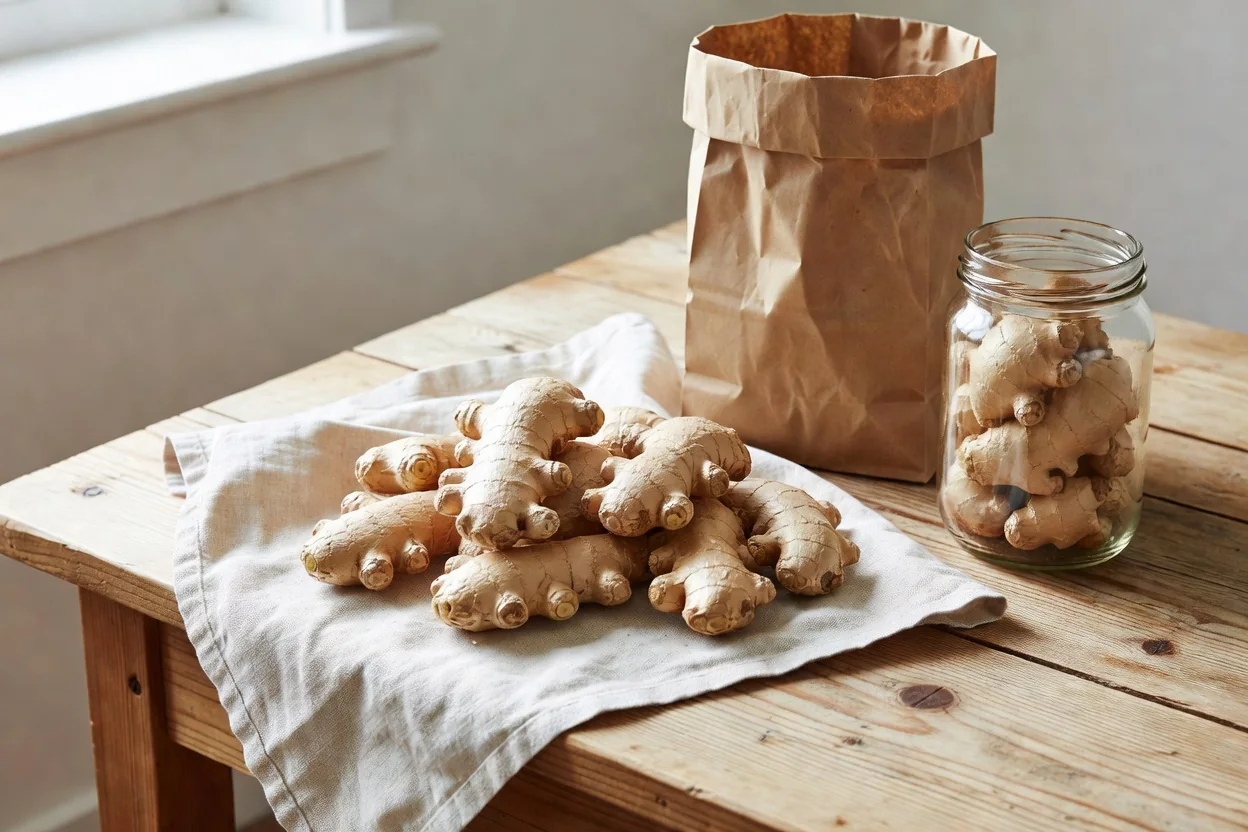
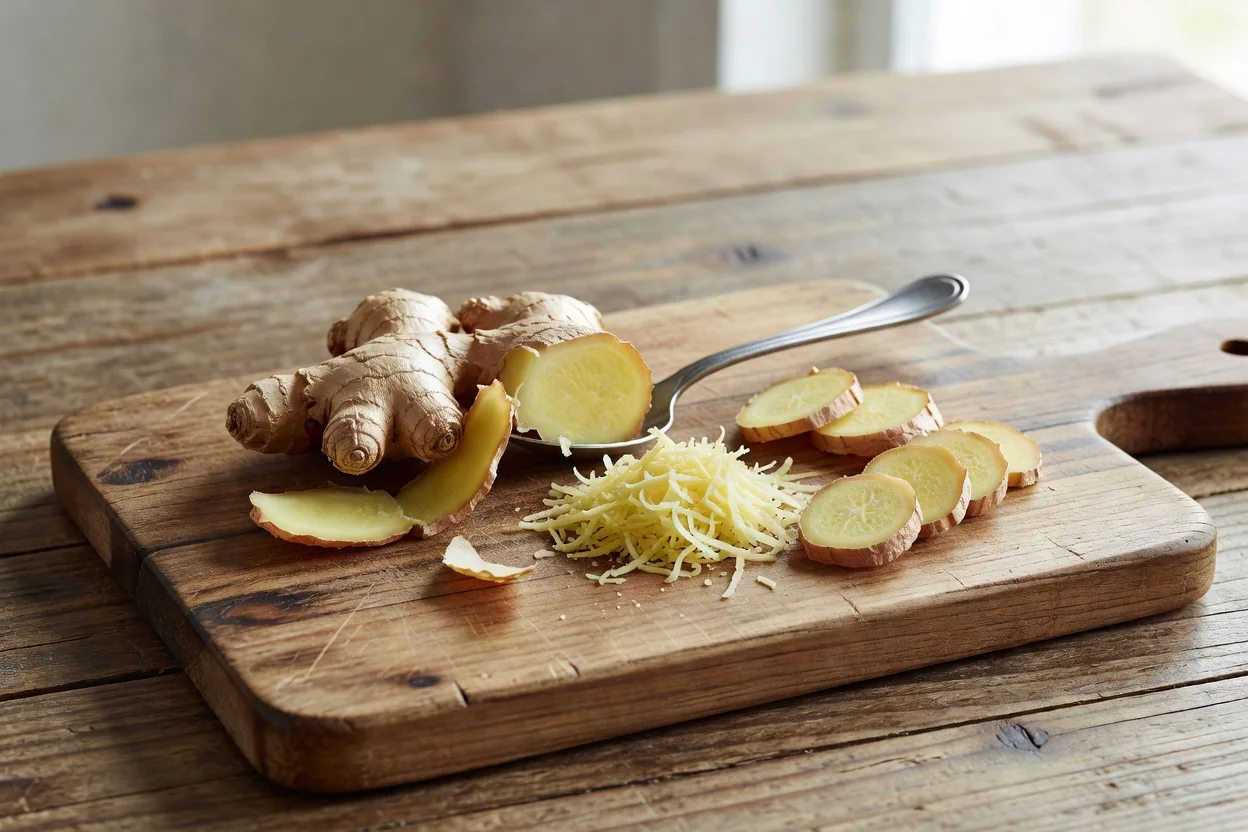
Fresh ginger is the raw rhizome: juicy, fibrous and pungent, with bright citrusy top notes from volatile oils like gingerol. Ground ginger is the same root, dried and milled. Drying transforms the chemistry — much of the fresh gingerol converts into shogaols, which are sharper and more pungent in a dry, concentrated way, while the fresh, zesty aromas largely evaporate.
The result: fresh ginger tastes bright, juicy and aromatic; ground ginger tastes warm, earthy and more one-dimensionally spicy. They overlap in the middle, but each owns territory the other cannot reach.
Where Fresh Ginger Wins
- Stir-fries, curries and Asian dishes — fresh ginger's brightness is structural here; ground ginger tastes dull and slightly dusty by comparison.
- Teas and infusions — only fresh ginger gives that clean, warming brew.
- Marinades and dressings — the juice itself is part of the flavour.
- Anything raw or quick-cooked — grated fresh ginger in a salad dressing or dipping sauce has no dried substitute.
Where Ground Ginger Wins
- Baking — gingerbread, spice cakes, biscuits. Ground ginger disperses evenly through dry ingredients; fresh would clump and add unwanted moisture.
- Spice blends — pumpkin spice, chai mixes, dry rubs.
- Long-braised dishes — stews and tagines where the ginger simmers for an hour; the difference mellows, and the convenience is real.
The Conversion Question
Ground ginger is far more concentrated by weight, but its flavour profile is different, so treat conversions as rough guides rather than exact swaps:
| Recipe calls for | Substitute | Notes |
|---|---|---|
| 1 tbsp fresh grated ginger | ¼ tsp ground ginger | Works in baking and braises only |
| 1 tsp ground ginger | 1 tbsp fresh grated | Add a little extra; fresh is milder |
| Fresh in tea or stir-fry | — | No good substitute; use fresh |
There is also a third option worth knowing: ginger paste, sold in tubes or jars. It keeps in the fridge for weeks, behaves like fresh ginger in cooked dishes, and is the best emergency stand-in for savoury cooking.
Storage and Shelf Life
Fresh ginger keeps three to four weeks wrapped in the fridge, or six months in the freezer. Ground ginger keeps its punch for about a year in a sealed jar away from light and heat — after that it fades to flavoured dust. If your ground ginger has been open since an election you would rather forget, replace it before your next batch of gingerbread.
The Short Answer
Savoury and fresh dishes: fresh ginger, always. Baking and spice blends: ground ginger, gladly. Keep both in the kitchen, know which one the dish actually needs, and you will never stare at the spice rack in doubt again.