Lemon Every Day: Benefits and Simple Ways to Use Citrus
The lemon is the quiet workhorse of the kitchen. It rarely headlines a dish, yet a squeeze or a strip of zest is often the difference between food that tastes fine and food that tastes alive. Cooks have relied on it for centuries, and nutrition science keeps finding reasons to keep a bowl of lemons on the counter. Here is a practical look at what a lemon a day can do — and the easiest ways to actually use one.
What Is Inside a Lemon
A medium lemon delivers around 30 mg of vitamin C — roughly a third of the daily requirement — along with citric acid, potassium, and a family of plant compounds called flavonoids concentrated in the peel and pulp. The juice is nearly calorie-free, which makes it one of the cheapest flavour upgrades in existence.
Vitamin C supports immune function and helps the body absorb iron from plant foods — a genuine reason to dress a lentil salad or sautéed spinach with lemon juice rather than vinegar alone. Citric acid, meanwhile, has a well-documented role in reducing the risk of certain kidney stones, which is why doctors often recommend diluted lemon juice to prone patients.
Five Everyday Uses That Actually Stick
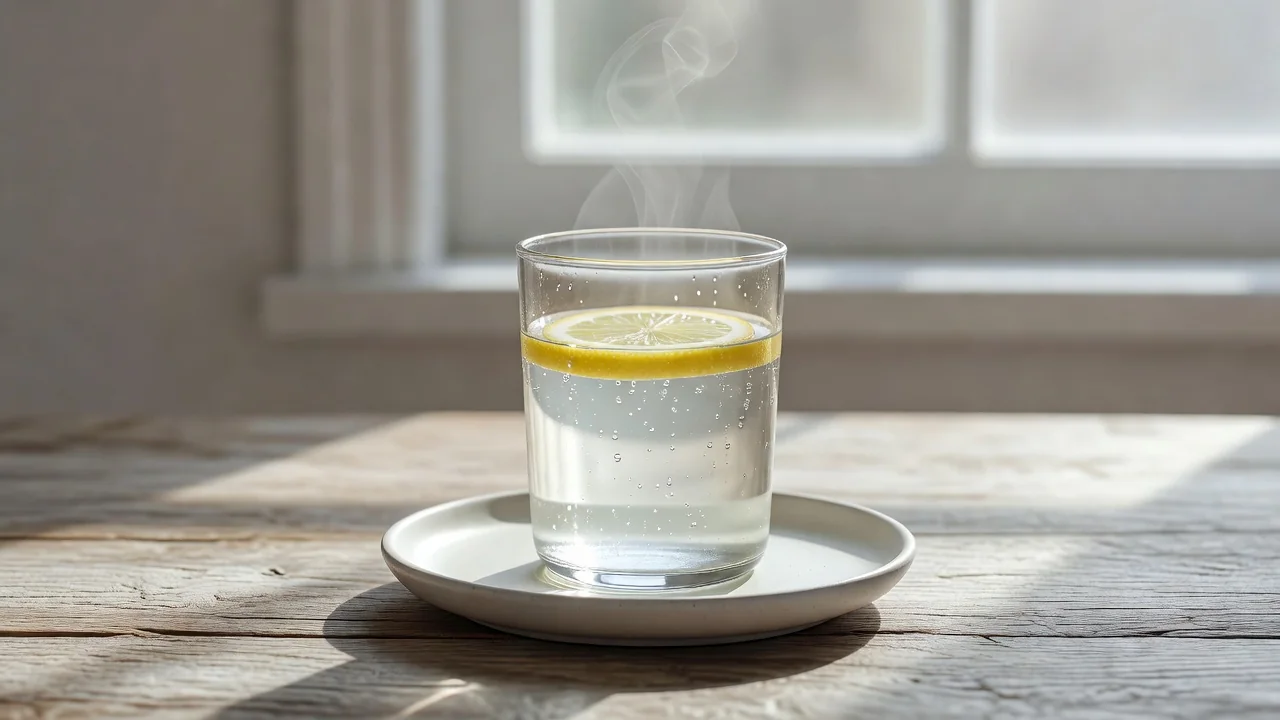
- Morning glass. The juice of half a lemon in a glass of warm or room-temperature water — a gentle, hydrating start that many people find easier to keep than any supplement routine.
- The finishing squeeze. Grilled fish, roasted vegetables, lentil soup, a grain bowl: a squeeze just before serving lifts everything. Add it at the table, not in the pan — heat flattens the fresh aroma.
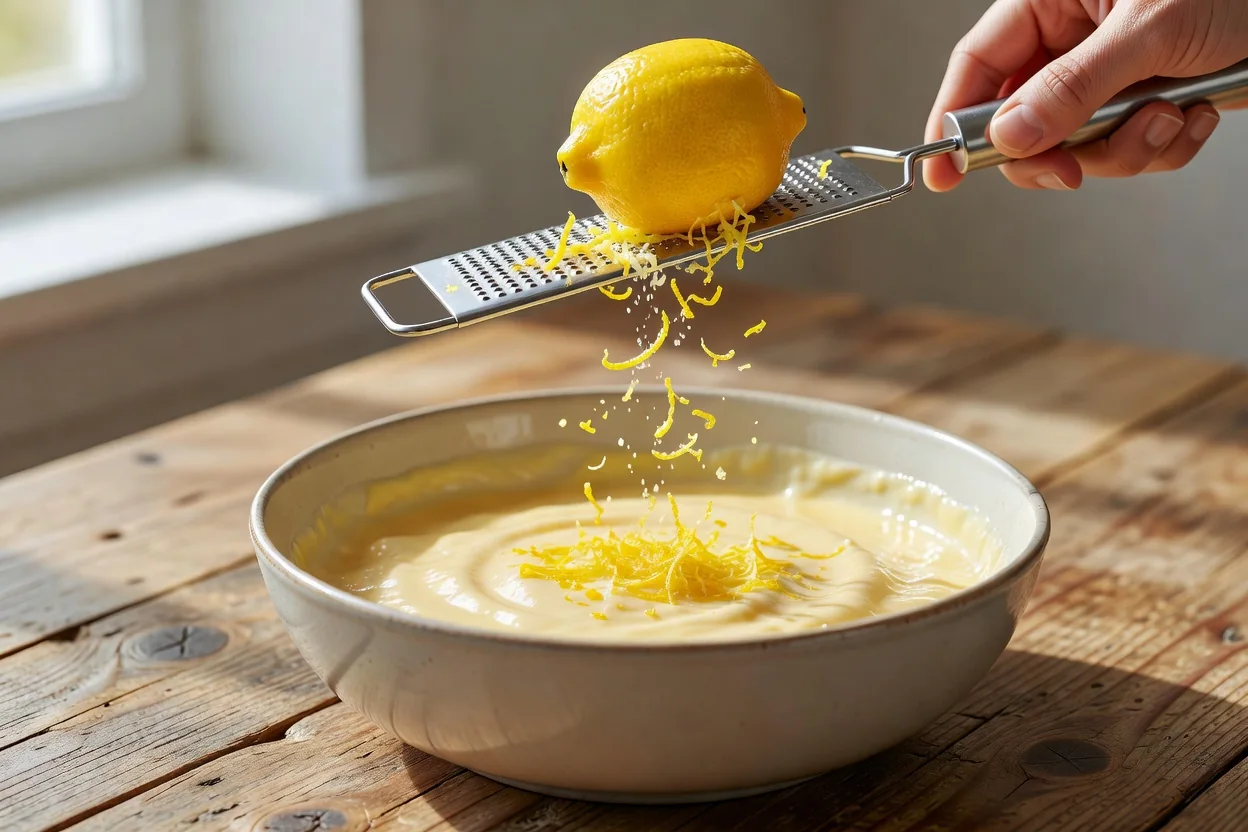
- Zest before juice. The fragrant oils live in the yellow outer layer. Grate it over pasta, into salad dressings, or into cake batter before you cut the fruit for juice.
- Natural tenderiser. Lemon juice in a marinade softens chicken and fish and seasons them at the same time. Keep marinading times short for delicate fish — 20 to 30 minutes is plenty.
- Kitchen helper. Half a lemon rubbed over a wooden board deodorises it; a bowl of lemon water microwaved for three minutes loosens baked-on splatter. Few cleaning products smell this good.
Juice, Zest or Whole — What Each Part Offers
| Part | Main compounds | Best use |
|---|---|---|
| Juice | Vitamin C, citric acid | Drinks, dressings, marinades |
| Zest | Essential oils, flavonoids | Baking, finishing dishes |
| Pulp | Fibre (pectin) | Whole-fruit smoothies, marmalade |
| Peel (candied) | Oils, fibre | Desserts, tea garnish |
A Few Sensible Cautions
Lemon is food, not medicine, and a little care keeps it that way. Undiluted juice is hard on tooth enamel — drink lemon water through a straw or rinse your mouth with plain water afterwards rather than brushing immediately. If you use the zest, choose unwaxed or organic lemons and give them a scrub. And if you have reflux, large amounts of acidic juice on an empty stomach may not suit you; diluted with food, most people do fine.
Make It a Habit
The health benefits of lemon come from repetition, not heroics. A squeeze on lunch, zest in the dinner dressing, a slice in the water bottle — these are two-second gestures that add up across weeks. Keep lemons visible in a bowl on the counter, and the habit will keep itself.