Ginger Lemon Tea: The Complete Brewing Guide
Few drinks are as simple — or as rewarding — as a well-brewed cup of ginger lemon tea. Two humble ingredients, hot water, and five minutes of patience give you a warming infusion that people reach for when they want comfort, a gentle pick-me-up, or relief from a scratchy throat. Yet most cups are either watery and bland or aggressively sharp. The difference is in the details: how you slice the ginger, when you add the lemon, and how long you let everything steep.
This guide walks through the whole process — choosing ingredients, brewing ratios, timing, and the small upgrades that turn an everyday cup into something you actually look forward to.
Choosing Your Ingredients
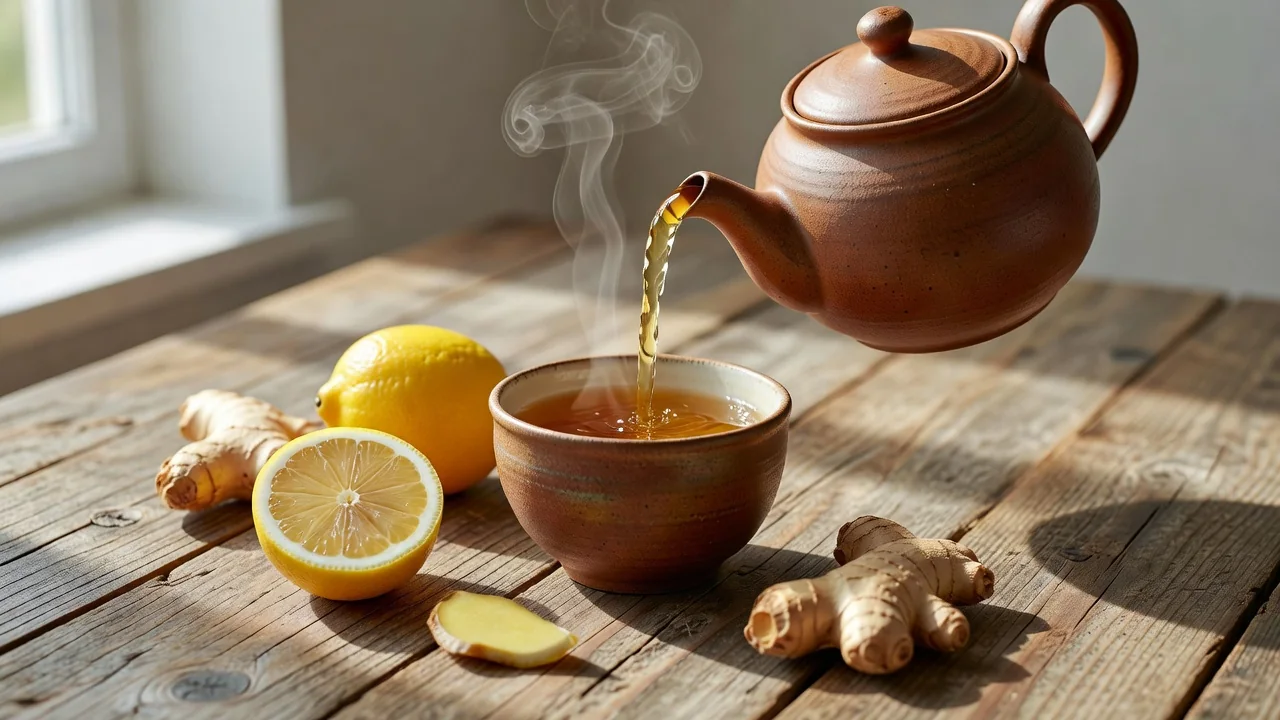
Fresh ginger is non-negotiable. Look for firm, smooth roots with taut skin — wrinkles and soft spots mean the root is old and drying out. Young ginger has a thinner skin and a milder, almost floral heat; mature ginger is fibrous and punchier, which many people prefer for tea. There is no need to peel it for tea: a quick scrub under running water is enough, and the skin carries aromatic oils of its own.
For the lemon, any standard variety works, but unwaxed lemons are worth seeking out if you plan to add a strip of zest to the pot. Organic lemons are the safest bet here. Always add lemon juice after the tea has come off the boil — prolonged boiling drives off the fresh, bright top notes and leaves a flat, cooked flavour behind.
The Core Recipe
The ratio that works for most palates: about 15–20 grams of sliced fresh ginger (a thumb-sized piece, cut into coins) per 500 ml of water, plus the juice of half a lemon per cup. Bring the water to a boil, add the ginger, reduce to a bare simmer, and cover.
- 5 minutes — a light, gently warming tea; good for all-day sipping.
- 10 minutes — the standard cup: rounded heat, clear ginger character.
- 15–20 minutes — a bold, spicy brew for cold evenings or when you feel a cold coming on.
Strain into a mug, stir in the fresh lemon juice, and sweeten with honey if you like. Honey should go in once the tea has cooled slightly below drinking-hot — very high heat dulls its aroma.
Common Variations
The base recipe is a canvas. A cinnamon stick added with the ginger brings warmth and a subtle sweetness. A few crushed cardamom pods push it toward a chai-like profile. Fresh turmeric slices turn the brew golden and earthy, while a pinch of black pepper sharpens everything. In summer, the same brew chilled over ice with extra lemon becomes an excellent homemade iced tea.
| Addition | When to add | What it changes |
|---|---|---|
| Cinnamon stick | With the ginger | Warmth, gentle sweetness |
| Fresh mint | Last 2 minutes | Cooling, fresh finish |
| Turmeric slices | With the ginger | Earthy depth, golden colour |
| Honey | In the cup | Softens the heat, soothes |
| Cayenne pinch | In the cup | Extra kick, sinus-clearing |
Storing and Making Ahead
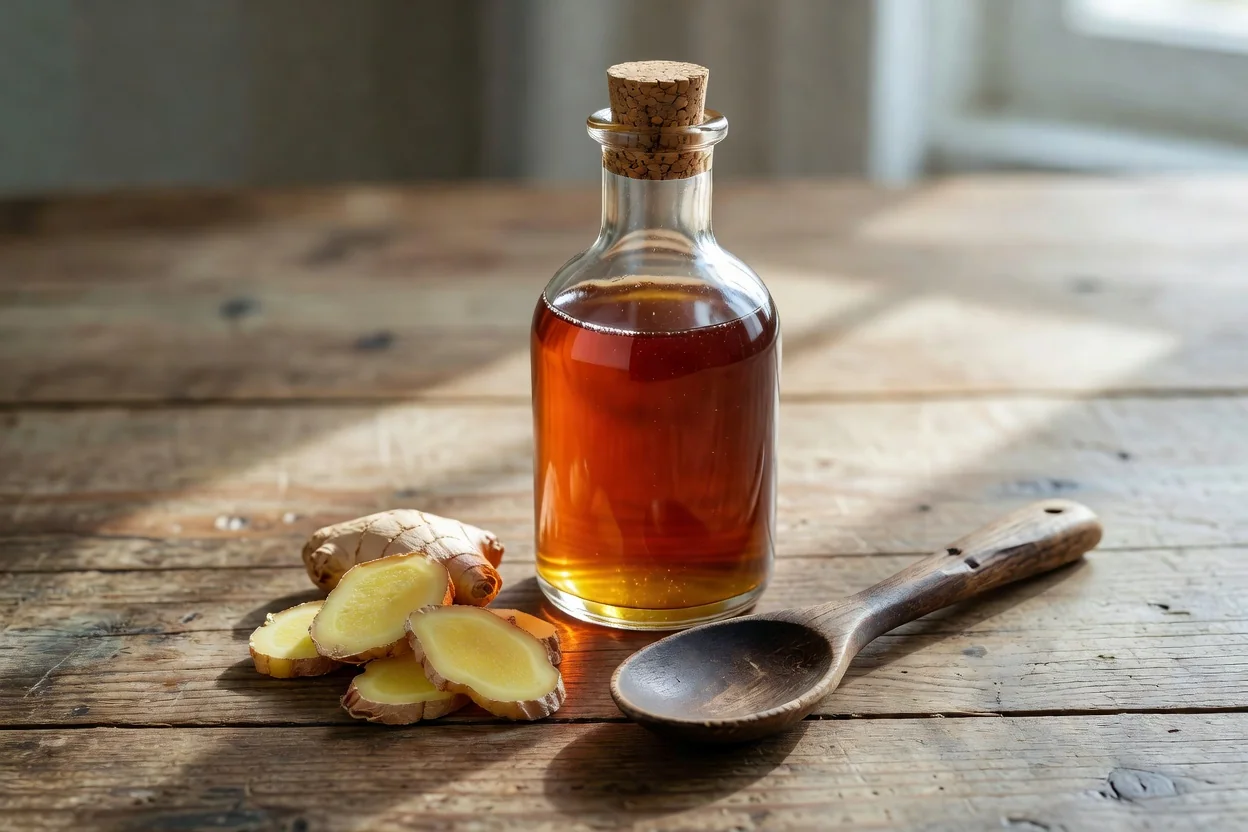
A concentrated batch keeps well: simmer a triple-strength ginger infusion, strain, and refrigerate in a sealed bottle for up to five days. Dilute with hot water and add fresh lemon whenever you want a cup. The one thing that never keeps is the lemon juice — always squeeze it fresh. Bottled or day-old juice tastes muted and slightly bitter by comparison.
The Bottom Line
Great ginger lemon tea is not about exotic ingredients — it is about respecting two simple ones. Fresh ginger, simmered rather than scalded; fresh lemon, added off the heat; and a steeping time matched to your mood. Master those three choices and every cup will taste intentional.